
Can I Take Supplements During Chemotherapy or Radiation?
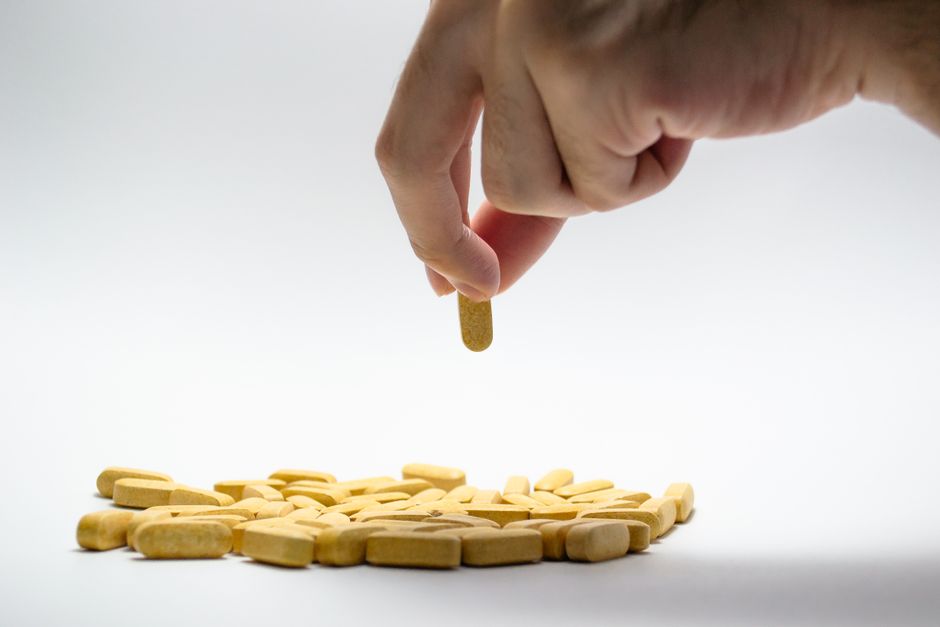
Do not add, stop, or restart vitamins, antioxidants, herbs, mushroom products, or other cancer-fighting supplements during chemotherapy or radiation without review by the oncology care team or oncology pharmacist. Food and prescribed nutrition support are not the same as concentrated supplements. Some products change drug levels or treatment effects, and no supplement has been proven to cure cancer or prevent its return.
Can I take vitamin C, turmeric, or mushroom supplements while having chemotherapy?
Do not assume vitamin C, turmeric, or mushroom supplements fit safely beside chemotherapy; the answer depends on the product and the treatment plan, so the care team needs the full list before use.
A meal is not a capsule. The National Cancer Institute separates a balanced diet that supports health from unproven products marketed as cancer treatment. A supplement is often a pill, capsule, or powder. It can deliver a far more concentrated ingredient than ordinary food.
Turmeric shows the distinction. Memorial Sloan Kettering states that turmeric in food and tea is generally safe, while supplements and higher amounts need care-team review. Its turmeric reference also reports laboratory findings in which turmeric kept some chemotherapy medicines from working against breast-cancer cells and identifies treatment combinations that require avoidance of turmeric supplements. A label that says “natural” does not settle the question.
Mushroom marketing has the same gap between promise and proof. Memorial Sloan Kettering reports that no mushroom substance sold as a dietary supplement has FDA approval to treat cancer or another medical condition. Much of the evidence for turkey tail, maitake, and reishi comes from laboratory and animal work. Extracts can also conflict with immunotherapy, immune-suppressing drugs, or bone-marrow transplant goals.
Bring the container or a clear photo of its label. Record the exact product name, ingredients, amount, frequency, start date, and form. Include powders, gummies, teas, drops, and blends. The unknown ingredient is often the real problem.
Do antioxidant supplements make chemotherapy or radiation less effective?
Antioxidant supplements can make chemotherapy or radiation less effective in some settings, so they require deliberate review rather than routine use during treatment.
The concern has a plain biological basis. The National Cancer Institute explains that radiation kills cells partly through high levels of free radicals, while antioxidants neutralize free radicals. That does not make every food containing antioxidants off-limits. It does make concentrated antioxidant products a treatment question.
The evidence is not a simple ban on every vitamin. Results from trials during treatment are mixed. Still, the National Cancer Institute says antioxidant supplements taken during chemotherapy or radiation may lower the chance of staying cancer-free.
A prospective study published in the Journal of Clinical Oncology in 2019 followed 1,134 people with breast cancer receiving chemotherapy. Antioxidant use before and during treatment was associated with a recurrence hazard ratio of 1.41, though this observational finding does not prove the supplements caused recurrence. In the same 2019 study, multivitamin use was not associated with survival outcomes.
Risk is not proof. It is enough to reject casual self-treatment. Selenium, vitamin E, beta-carotene, coenzyme Q10, and high-dose vitamins A, C, and E belong on the review list. The treatment regimen, reason for taking the product, and product amount change the answer.
| What to bring to the review | Why it changes the answer |
|---|---|
| Every bottle, packet, tea, powder, and gummy | Blends can contain ingredients not obvious from the product name. |
| Product name and full ingredient panel | Different forms of the same nutrient or herb can have different ingredients. |
| Amount and frequency of use | Concentrated use is not the same as food use. |
| Cancer medicines and planned treatment dates | Interaction risk depends on the specific regimen and timing. |
| The reason for using the product | The care team can separate a nutrition need from a cancer-fighting claim. |
Which herbal supplements should I stop before cancer treatment?
Herbal remedies and dietary supplements should be stopped before treatment unless the care team gives a different instruction; Memorial Sloan Kettering advises stopping them 7 days before chemotherapy, radiation therapy, surgery, or certain procedures.
That 7-day guidance comes from Memorial Sloan Kettering. The same source flags turmeric as a product that can keep chemotherapy from working as well as intended. It lists St. John’s wort as a product that can reduce the effectiveness of some medicines and increase skin sensitivity to radiation.
St. John’s wort is not a vague concern. The National Cancer Institute reports that it reduced the active irinotecan metabolite SN-38 by 42% in one study. It also decreased imatinib exposure in two studies. Herbs can change absorption, metabolism, distribution, and removal of anticancer drugs through pathways that include cytochrome P450 enzymes and P-glycoprotein.
Other named concerns include garlic, ginkgo, and ginseng, which Memorial Sloan Kettering lists for increased bleeding risk. Echinacea can reduce the effectiveness of immunosuppressive medicines. These examples are not a home-made stop list. They show why a complete list must reach the people managing the treatment.
Red-flag claims deserve a hard stop: any product that says it replaces chemotherapy, radiation, surgery, or prescribed treatment; any plan that says cancer care must be delayed; any promise to cure cancer; any product that urges secrecy from the oncology team. Proof is not packaging.
Frequently Asked Questions
Can a supplement actually fight cancer or prevent it from coming back?
No food, vitamin, mineral, dietary supplement, herb, or combination has been proven to slow cancer, cure it, or keep it from coming back, according to the National Cancer Institute. The FDA has not approved antioxidants or mushroom dietary supplements as cancer treatments.
How do I check whether a supplement interacts with my cancer medication?
Make a complete product list and give it to the oncology care team or oncology pharmacist. Include the product name, ingredients, amount, how often it is used, and whether it is a pill, powder, tea, or food.
Should I tell my oncologist about vitamins and supplements I already take?
Yes. The National Cancer Institute advises patients to tell their doctor, nurse, or dietitian about every vitamin, mineral, supplement, and medicinal herb they use or plan to use. The list should include products viewed as natural, immune-supporting, or harmless.
Sources
- National Cancer Institute: Cancer Therapy Interactions With Foods and Dietary Supplements (PDQ)
- National Cancer Institute: Diets, Supplements, and Cancer
- National Cancer Institute: Antioxidants and Cancer Prevention
- Memorial Sloan Kettering Cancer Center: Herbal Remedies and Cancer Treatment
- Memorial Sloan Kettering Cancer Center: Turmeric
- Journal of Clinical Oncology: Dietary Supplement Use During Chemotherapy and Survival Outcomes of Patients With Breast Cancer Enrolled in a Cooperative Group Clinical Trial
- Memorial Sloan Kettering Cancer Center: Do Mushroom Supplements Boost Immunity Against Cancer?
Disclaimer: This article is for general information only and is not medical advice. It is not a substitute for diagnosis or treatment by a qualified healthcare professional. Always speak to your doctor before acting on anything you read here.